
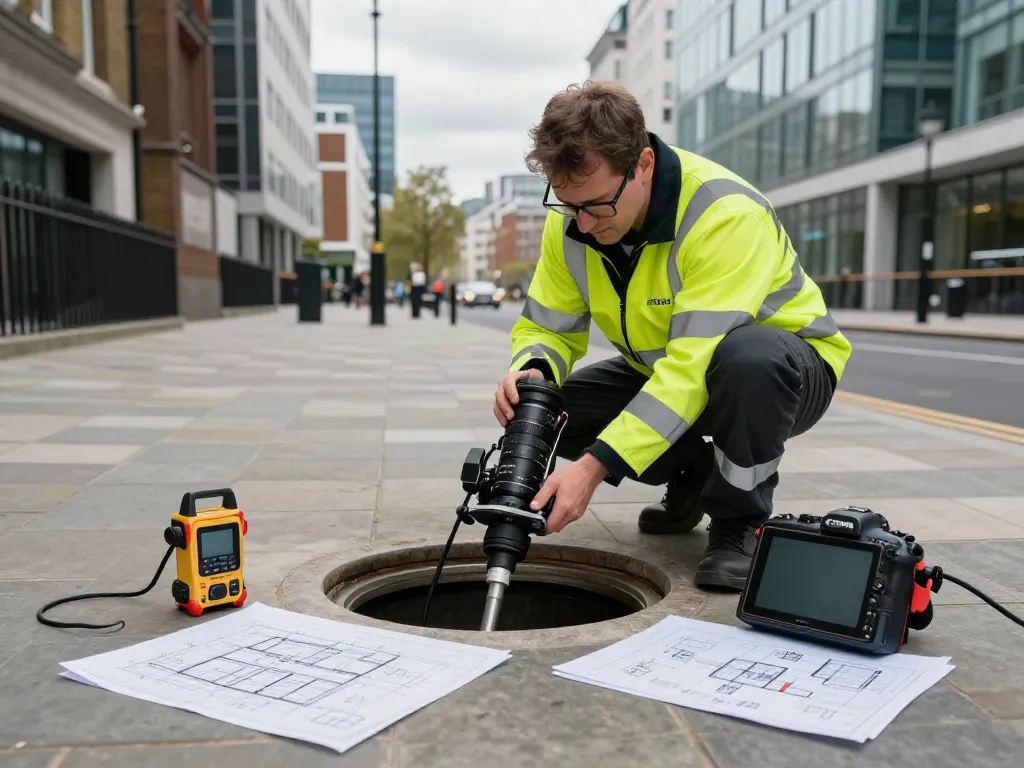
Understanding Drainage Surveys in London
In the bustling city of London, effective drainage systems are vital to prevent flooding, structural damage, and health hazards. With the intricate network of pipes running beneath the surface, regular assessments through drainage surveys have become essential. A well-executed drainage survey not only ensures that systems are functioning as intended but plays a critical role in effective property management and planning. When exploring options, Drainage Survey London provides comprehensive insights tailored to the unique challenges of urban infrastructure.
What is a Drainage Survey?
A drainage survey is an inspection process that assesses the condition and functionality of underground drainage systems. Typically conducted using advanced technology, such as CCTV cameras, these surveys allow professionals to visually inspect the interior of pipes, identifying issues like blockages, leaks, and structural damage. The thorough examination provides property owners, developers, and local authorities with critical data to make informed decisions regarding maintenance, repairs, and future developments.
Why are Drainage Surveys Essential?
Drainage surveys are essential for a variety of reasons:
- Preventive Maintenance: Regular surveys help identify potential issues before they escalate into costly repairs or failures.
- Investment Assurance: Understanding the condition of drainage systems can influence property value and negotiations, especially when buying or selling a property.
- Compliance: Many local regulations require surveys to ensure new developments do not negatively impact existing drainage systems.
- Environmental Protection: Effective drainage is crucial to prevent contamination of local water sources from sewage overflows.
Key Technologies Used for Drainage Surveys
Modern drainage surveys employ a range of technologies to enhance accuracy and efficiency:
- CCTV Inspections: High-resolution cameras provide real-time visuals of the drainage network, allowing for a thorough examination without excavation.
- Ground Penetrating Radar (GPR): This technology detects underground anomalies, helping to locate drainage systems and other buried utilities accurately.
- Laser Scanning: Used for precise mapping and surveying of drainage layouts, ensuring accuracy in reports and drawings.
The Process of a CCTV Drainage Survey
The execution of a CCTV drainage survey follows a systematic approach to ensure thorough assessment and reporting.
Preparation Steps Before the Survey
Prior to conducting the survey, preparatory steps are essential. These include reviewing available plans of existing drainage systems, assessing site conditions, and determining access points for the CCTV equipment. This initial planning stage helps the survey team to strategize their approach effectively.
Equipment Used in the Drainage Survey
Equipment typically used in CCTV drainage surveys includes:
- CCTV Drain Cameras: High-definition cameras equipped with flexible rods that can navigate the bends and turns of drainage pipes.
- WinCan Software: Industry-standard software for processing and reporting survey findings, facilitating easy comprehension of results.
- CAD Software: For creating detailed drawings that illustrate the drainage layout, including depth, material, and condition.
Interpreting the Survey Results
Once the survey is complete, the data collected is processed into a detailed report. This report includes:
- A visual record of the inspection.
- Identification of any defects or issues.
- Recommendations for repairs or maintenance.
- CAD drawings of the drainage layout.
The interpretation of these results is crucial for making informed decisions regarding necessary interventions.
Benefits of Conducting Drainage Surveys
Beyond mere inspections, CCTV drainage surveys offer numerous benefits for property owners and developers.
Protecting Property Investments
For property owners, a drainage survey acts as a safeguard for their investment. Identifying issues early can save considerable costs associated with emergency repairs or extensive damage resulting from undetected drainage problems.
Ensuring Compliance with Local Regulations
Local authorities often require drainage surveys as part of the planning process for new constructions. Ensuring compliance can prevent legal complications and ensure that developments do not negatively impact existing drainage infrastructures.
Long-term Cost Savings on Drainage Maintenance
Regular drainage surveys contribute to long-term savings. By maintaining efficient drainage systems, property owners can avoid costly emergency interventions and extend the lifespan of their drainage infrastructure.
Common Misconceptions About Drainage Surveys
Despite their importance, several misconceptions persist regarding drainage surveys.
Are Drainage Surveys Only for Old Properties?
Many believe that drainage surveys are only necessary for older properties. However, new builds can also benefit from surveys to ensure that the drainage systems are installed correctly and functioning as intended.
Is a Drainage Survey Necessary for New Builds?
Yes, conducting a drainage survey during the planning and construction phase of new builds is vital to prevent future issues and comply with local regulations.
Debunking the Cost Myths Surrounding Drainage Surveys
While some may perceive drainage surveys as an unnecessary expense, they often provide substantial cost savings in the long run by preventing more severe problems.
Future Trends in Drainage Surveying Technologies
The field of drainage surveying is constantly evolving, driven by advances in technology.
Advancements in CCTV Technology
As CCTV technology continues to advance, we can expect higher-resolution cameras, improved manoeuvrability, and enhanced data collection capabilities, leading to more accurate surveys.
The Role of Artificial Intelligence in Drainage Analysis
AI is poised to revolutionise drainage surveys by enabling predictive analytics, which can identify potential issues before they occur based on historical data patterns.
Emerging Best Practices for Drainage Surveys by 2026
By 2026, best practices in drainage surveying are likely to incorporate more automated processes and integrated reporting systems, enhancing efficiency and accuracy.
How much does a drainage survey typically cost in London?
Costs can vary based on the complexity of the survey, the size of the property, and the technology used. On average, a CCTV drainage survey in London may range from £200 to £500.
Is it worth getting a drain survey?
Absolutely. The insights gained from a drainage survey can save property owners significant amounts in potential repairs and maintenance costs down the line.
How long does a drain survey take?
The duration of a drainage survey depends on the property's size and the complexity of the drainage system. Typically, a survey may take from a few hours to a full day.
What should I expect from a drainage survey report?
A comprehensive drainage survey report should provide detailed findings, visuals, and recommendations for maintenance or repairs, alongside CAD drawings of the drainage system.
Can I conduct a drainage survey myself?
While it is possible to perform basic inspections, professional surveys using advanced technology will yield far better results and ensure compliance with local standards.